Getting back into exercise after 40 in Geneva
You're not 20 anymore, you may not have trained in ten years, and that's exactly why method matters. Here's where to start, without getting injured or giving up after three weeks.
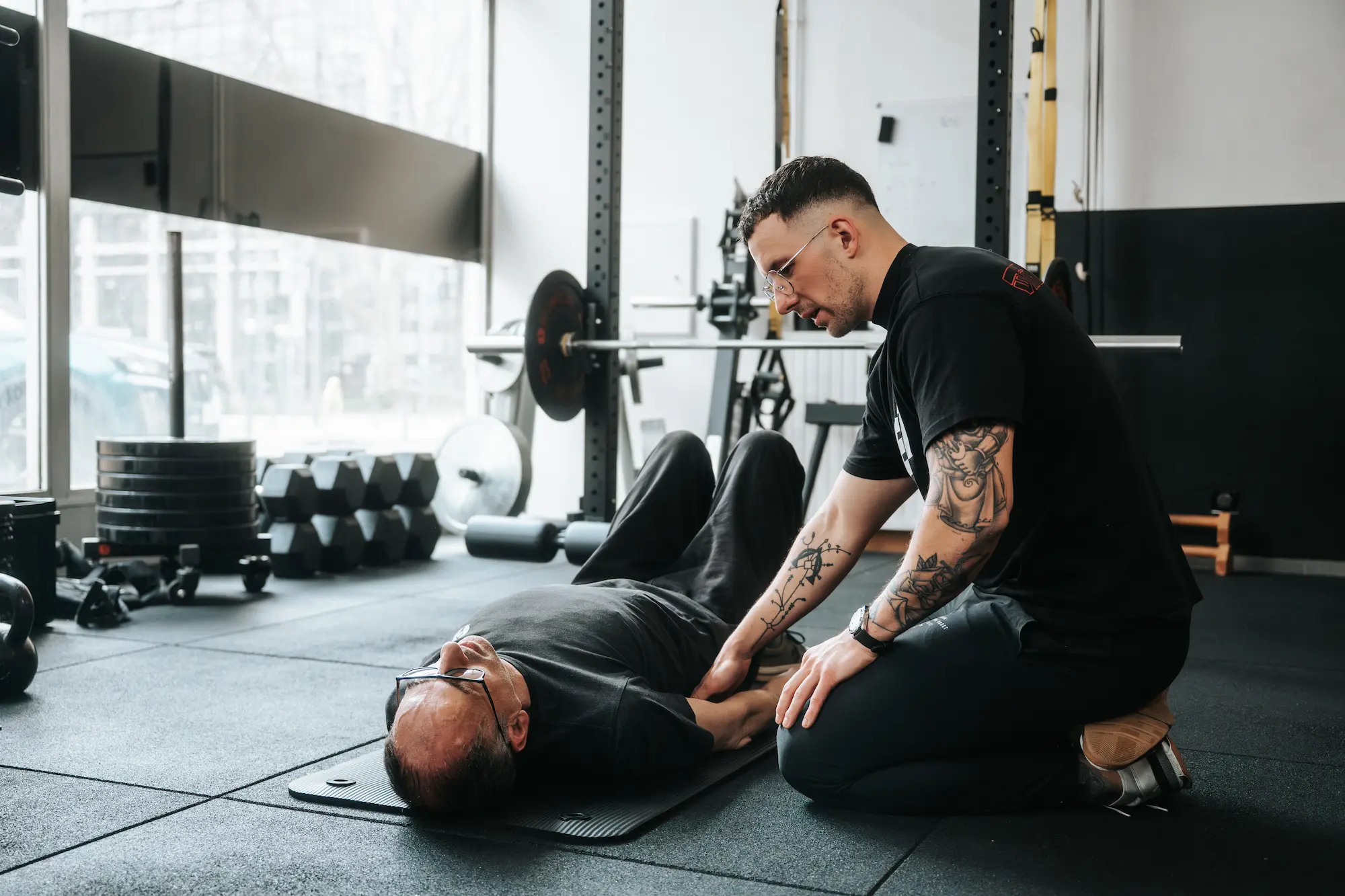
- Never too lateWe lose around 1% of muscle mass per year after 30, but muscle responds to training at any age. The decline isn't inevitable, it's a question of stimulus.
- Take it easy2 to 3 sessions a week, starting with strength training and walking, building intensity over 4 to 6 weeks. Not the other way around.
- The real winThe first result isn't on the scale. It's the energy, the sleep and feeling active in your body again.
At 40, 50 or 60, the urge to get back into it often comes with a little voice: "I'm too old", "I'll get injured", "I've lost it". Good news, that voice is wrong. What changes after 40 isn't your ability to make progress, it's how you go about it.
This guide isn't a list of feel-good clichés. It's the concrete method I use with my Geneva clients who are coming back after years off, and the mistakes I see come up every time.
Getting back into exercise after 40: why it's never too late
Yes, the body changes. From the age of 30, we lose on average 1% of muscle mass per year, recovery takes longer, and the joints need a bit more attention. But these changes aren't a door closing, they're parameters to factor into training.
Muscle itself responds to demand at any age. People who start strength training at 60 or 70 gain strength and mass. The limiting factor is almost never age, it's prolonged inactivity and the fear of doing it wrong. And that fear is solved with good progression.
It isn't age that makes you fragile, it's stopping. The longer you wait, believing you're too old, the more you lose, and the harder the comeback feels. The best time to start again is now.
How to ease back into exercise after a long break
The biggest mistake is trying to make up ten years in three weeks. The body hasn't forgotten, but it needs to be switched back on gradually. Here's the order that works, and why.
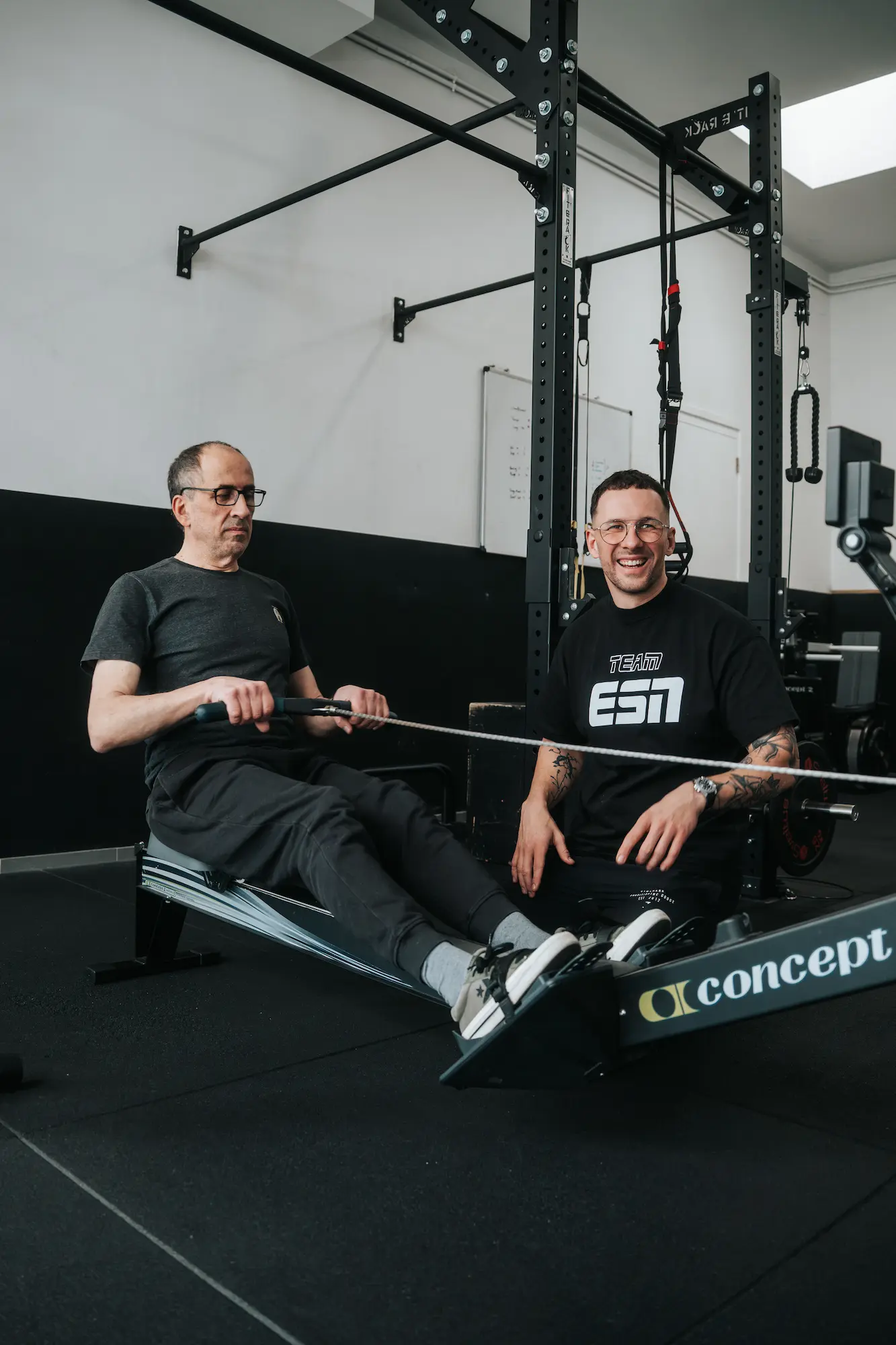 Advice fromNicolas De Ieso
When someone comes back after years off, I never push them into the red on the first session. I make them feel capable, and I always finish with a cool-down. That little bubble is what makes them want to come back, and at the start that's what matters most.
Do you need a medical check before getting back into exercise?
Honest answer: in most cases, yes, and it's quick. If you're over 40, coming back after a long break, or have a history of heart problems, diabetes, high blood pressure or significant excess weight, getting the green light from your doctor before pushing hard is plain common sense, not an administrative formality.
In practice, a doctor may recommend an ECG or an exercise stress test depending on your profile. It's not to hold you back, it's so you can start with peace of mind and adapt the intensity from the outset. Once that's cleared, the road is open.
If you feel chest pain, unusual breathlessness or dizziness during exercise, stop and see a doctor. Those are the only signals that aren't up for negotiation.
Which sport to choose after 40 (and where to do it in Geneva)
The best sport is the one you'll keep up over time. But after 40, some activities tick more boxes than others, because they combine effectiveness with low injury risk:
- Strength training: the absolute priority. It's what protects your back, knees and hips, and what fights muscle loss. In the gym or at home, with guidance at the start.
- Brisk walking and hiking: accessible, low impact, ideal for restarting your cardio. The lake waterfront and the Geneva hillsides are perfect terrain.
- Swimming and cycling: cardio with no impact on sensitive joints. Perfect alongside strength training.
- Yoga and mobility: often overlooked, they maintain flexibility and balance, two things that really matter with age.
What to avoid at the start: high-impact sports or those with sudden stops and starts (squash, sprints, intense HIIT) until the body has rebuilt a base. They're not banned, they just come later.
Advice fromNicolas De IesoThe best sport is the one that makes you want to come back. I'd rather have a client who enjoys two strength sessions a week for a year than one who burns out on HIIT for three weeks before quitting.
In Geneva, I coach in the gym in Versoix, in Servette, or directly at home.
How to lose weight after 40
If you eat the way you did at 25 and the weight is settling in now, it's not in your head. Resting metabolism drops, largely because muscle mass declines. The consequence is counterintuitive: to lose fat sustainably after 40, the strength room is often more effective than hours of cardio.
Muscle burns energy even at rest. Rebuilding muscle mass restarts your metabolism, where restrictive diets alone slow it down even more. That's why people lose weight, regain it, and get discouraged.
On the food side, no miracle plan here: for genuine personalised nutrition guidance, it's best to see a specialist. That said, two simple principles hold up: enough protein to feed the muscle, and a moderate calorie deficit rather than harsh deprivation that never lasts.
Advice fromNicolas De IesoI always encourage my clients to stop looking only at the scale. When you gain muscle and lose fat, your weight can stay the same while your shape changes completely. The mirror and your clothes are better judges than the morning number.
The mistakes that derail a comeback
Most comebacks don't fail through lack of willpower, but because of a few classic traps. Here they are, and how to get around them:
- Starting too hard: three intense sessions in the first week, soreness that keeps you in bed, and then quitting. Progression isn't optional, it's the condition.
- Betting everything on cardio: running or cycling without ever doing strength work means neglecting what really protects the body after 40.
- Comparing yourself to your 25-year-old self: the starting point isn't the same, and neither is the pace. Compare yourself to yesterday, not to back then.
- Skipping the warm-up and recovery: that's exactly what turns good intentions into an injury that stops everything for a month.
- Trying to do it all alone: coming back with no reference points opens the door to bad movements and discouragement. An outside eye changes everything.
How long before you see results
Let's be honest about timelines, because false promises are the number one cause of quitting. The very first effects come quickly, well before the scale: within the first few weeks, you sleep better, you have more energy, you feel more mobile. That's the first real result, and it isn't measurable.
For the visible side, expect around 4 to 6 weeks to feel a real difference in fitness and strength, and 8 to 12 weeks for those around you to notice. The condition, every time, is consistency. Two sessions kept up each week for three months beat ten heroic sessions followed by quitting.
The best sign it's working isn't a number. It's the morning when climbing the stairs no longer leaves you out of breath, and you feel like going back.
Getting back into exercise with a coach in Geneva
You can absolutely get back into it on your own. But after 40, a coach isn't a luxury, it's what avoids the two main pitfalls: getting injured by going too fast, and quitting for lack of results or reference points. Having support means someone who adapts the load to your real body, corrects movements before they start to hurt, and keeps you on track when motivation dips.
That's exactly the role I play for my clients in Geneva: building a tailored comeback, at your pace, around your level, your constraints and your schedule. In the gym in Versoix or Servette, or directly at your home.
How about we start together?
A free discovery session to get to know each other, understand your body and show you that yes, it's possible. No commitment, no judgement. In Versoix, Servette or at home.
Frequently asked questions about getting back into exercise after 40
Where do I start to get back into exercise after 40?+
Do I need a medical check before getting back into it?+
Which sport is best after 40?+
How do you lose weight after 40?+
How long before you see results?+
Personal trainer and strength coach in Geneva, over 8 years of experience, former instructor and examiner at a sports school. More than 80 five-star reviews. I coach adults aged 40 to 70 through their return to exercise, in Versoix, in Servette or at home. Book a free discovery session.